Vitamin B12 Injections And Weight Loss How Vitamin B-12/Lipoden & B-12 Injections Can Help You ...
How Vitamin B-12/Lipoden & B-12 Injections Can Help You (and When to Be Cautious)
Introduction: If you’ve been Googling “how Vitamin B-12/Lipoden & B-12 injections can help you,” it usually means you’re dealing with at least one of these: persistent fatigue, low mood or “brain fog,” unusual tingling, or symptoms that don’t match your sleep schedule. Vitamin B-12 shows up in a lot of wellness conversations because it’s involved in core body processes—yet many women don’t realize deficiency risk can be influenced by diet choices (especially lower animal intake), gut absorption issues, or certain medications.
That’s why B-12 injections have become a popular topic: they’re a targeted approach that can be considered when absorption is uncertain or when someone and their clinician want to correct a confirmed low level efficiently. Still, not every person needs injections, not every product is equal, and improvements aren’t guaranteed. Think of this as a consumer-review style guide: practical benefits, realistic limitations, and the kind of red flags that matter before you schedule your next dose.
What Vitamin B-12/Lipoden & B-12 Injections Is and Who It Might Fit Best
Vitamin B-12 injections are a medical/supplement delivery method where B-12 (often as cyanocobalamin or hydroxocobalamin) is administered by injection—commonly intramuscular. In some markets, you’ll also see “Lipoden” discussed alongside B-12. Lipoden is typically marketed as a supportive component in certain injection regimens, so people search for “Vitamin B-12/Lipoden & B-12 injections” as a combined approach.
Who it might fit best:
- You suspect low B-12 due to symptoms (fatigue, neuropathy-like tingling, glossitis) and/or risk factors.
- You have absorption concerns (e.g., history of gastric issues or conditions that affect absorption).
- You’re on medications that may interfere with B-12 status (some people consider this with their clinician).
- You want a structured plan rather than experimenting randomly with multiple supplements.
Who may need extra caution: people with complex medical histories, those with unexplained anemia, those who are pregnant or trying to conceive, and anyone with prior adverse reactions to injected products. Also, if your “low energy” is mainly driven by sleep debt, high stress, iron deficiency, thyroid issues, or vitamin D insufficiency, B-12 injections might not be the missing piece.
Practical Benefits and Where It Falls Short
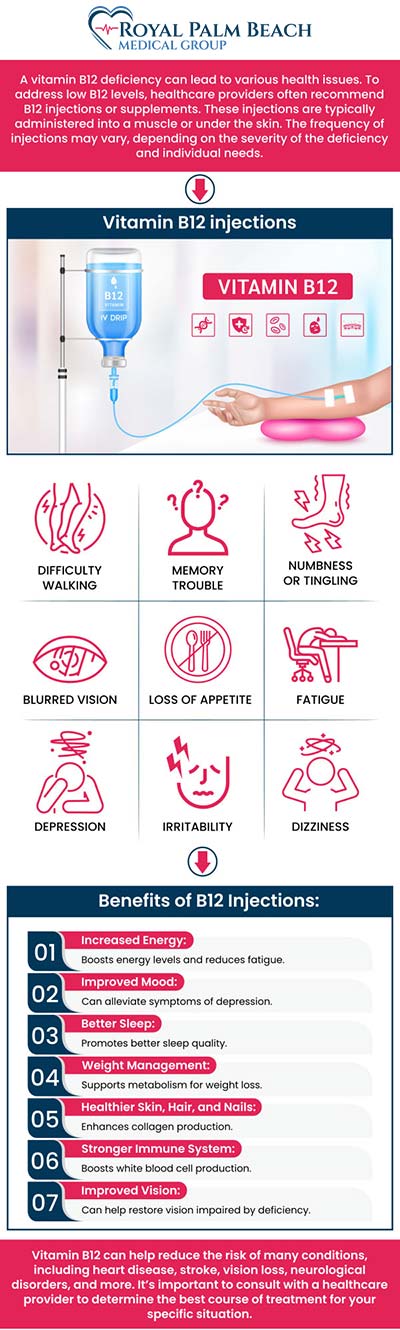
When people say Vitamin B-12/Lipoden & B-12 injections “help,” they usually mean improvements in one or more areas:
- Energy and stamina: some women notice less fatigue after correcting a low baseline.
- Focus/mental clarity: “brain fog” can improve if B-12 deficiency is part of the problem.
- Nervous system support: tingling sensations may change over time when deficiency is addressed.
- Bloodwork normalization: in confirmed deficiency, levels can rise—though symptoms still vary.
Personal experience case (positive but cautious): A friend of mine (32, generally healthy, lower-red-meat diet most weeks) described feeling “flat” and easily overwhelmed during the winter. She had labs suggesting B-12 was low enough to raise concern, and her clinician suggested a short course of Vitamin B-12/Lipoden & B-12 injections as part of a correction plan. She reported noticing a difference in energy during week one—specifically, she stopped needing a mid-afternoon nap—and by week two she felt slightly more consistent with her workouts. Importantly, she didn’t describe it as dramatic or instant “superhuman” energy; it was more like an improvement in baseline functioning. She also adjusted her diet and followed up with repeat bloodwork, which helped her avoid the trap of assuming “I feel better, so I’m done.”
Negative case (where it didn’t help much): Another woman (29) tried Vitamin B-12/Lipoden & B-12 injections after seeing online posts about injections for fatigue. She didn’t have supportive labs first and assumed B-12 was the cause. After two rounds, she didn’t notice meaningful change in her energy or mood. Her sleep was still fragmented due to caregiving stress, and later testing revealed iron deficiency and thyroid-related issues contributing to fatigue. Her experience wasn’t “injections are useless”—it was “we guessed wrong about the cause.” That’s a common failure pattern: symptom overlap. Low energy can be B-12… or it can be something else entirely.
What Research Suggests and What It Doesn’t
Here’s the objective way to read the evidence around Vitamin B-12/Lipoden & B-12 injections: B-12 is essential, and when someone is truly deficient, correcting it is biologically sensible. Many clinical guidelines support treating confirmed deficiency with appropriate supplementation, with injections sometimes chosen when absorption is uncertain or when clinicians want a direct approach.
What research supports:
- Deficiency correction is the main evidence-backed target.
- Symptom improvement can occur, but it depends on how long the deficiency has been present and the individual’s baseline health.
- Delivery method matters for people with absorption issues; injections may be more reliable in those contexts.
What it doesn’t fully prove: Most studies don’t show that B-12 injections reliably “boost energy” in already-sufficient people. Also, “Lipoden + B-12” regimens may be discussed in product marketing and smaller studies depending on region—so it’s important not to treat product claims as universal medical truth. Another limitation: symptom changes can be influenced by diet changes, reduced fatigue drivers, placebo effects, or simply the timing of when someone starts sleeping better and eats more consistently.
Risks to respect: Injections can cause local reactions (pain, redness, swelling). Less commonly, people report headache or gastrointestinal discomfort after supplementation. If you have a known allergy to components in a specific injectable product, you should avoid it. And if you develop worsening neurologic symptoms, severe or persistent side effects, or symptoms that suggest something more serious, stop and contact a clinician promptly.
Ingredients, Formats, and Quality Signals
When you shop for Vitamin B-12/Lipoden & B-12 injections, the label details matter more than the marketing. Here’s what to look for:
- B-12 form: cyanocobalamin or hydroxocobalamin are common injectable forms. The form can influence preferences in certain cases.
- Unit strength: injections are typically measured in micrograms (mcg) per dose; common regimens vary widely.
- Additional components: if Lipoden is included, confirm what it contains and whether it’s the same product from reputable sourcing.
- Sterility and handling: the product should be packaged for injection use and handled by trained staff if administered in a clinical setting.
- Quality documentation: look for batch/lot information, clear expiration dates, and a credible supply chain.
Consumer “quality signals” that tend to be worth your time:
- Clear labeling with ingredient list and dosing instructions.
- Transparent manufacturer/distributor information.
- Consistency between the advertised product and what’s actually shipped.
- Clinician-guided use when you’re correcting deficiency rather than self-treating from social media.
Also, if your goal is “How Vitamin B-12/Lipoden & B-12 injections can help you,” a quality product matters—but so does the measurement approach. Ask whether your plan is anchored to labs (at least B-12; sometimes additional markers) and what follow-up will be used to decide whether to continue.
Comparison of Common Options
| Format | Typical Dose/Use | Pros | Cons | Cost | Best For |
|---|---|---|---|---|---|
| Vitamin B-12 injections (single-agent) | Often 1000 mcg per injection in correction-style regimens; schedules vary | Direct delivery; convenient for people with absorption concerns | Need for trained administration; local side effects possible | Varies by clinic and region (commonly mid-range to higher than pills) | Confirmed low B-12 or absorption uncertainty |
| Vitamin B-12/Lipoden & B-12 injection blends | Product-specific; usually short course or targeted regimen | May fit a structured plan offered by a provider | Less uniform evidence for “Lipoden + B-12” specifically; label transparency matters | Often premium vs single-agent injections | When a clinician/provider recommends that exact regimen |
| Oral B-12 tablets/capsules (cyanocobalamin/methylcobalamin) | Commonly 500–1000 mcg daily (varies) | Non-invasive; easy to trial; generally lower overhead | May be less reliable if significant absorption issues exist | Low to mid-range (depends on brand and dose) | Mild deficiency risk or maintenance after correction |
| Sublingual B-12 lozenges | Often 250–1000 mcg per dose; typically daily or several times weekly | Convenient; some people find it easier than pills | Quality varies; not a substitute for labs in significant deficiency | Low to mid-range | Maintenance or people who prefer non-injection routes |
| B-12 plus “energy” stacks (multivitamins, blends) | Variable; B-12 amounts may be modest compared to correction doses | Broad support; may fill multiple micronutrient gaps | Hard to isolate effects; may not address true deficiency levels | Low to mid-range | Diet gaps when deficiency isn’t strongly suspected |
Buying Framework and Red Flags
If you want Vitamin B-12/Lipoden & B-12 injections to help you, the buying framework should be more about safety and fit than hype. Here’s a checklist you can actually use:
- Match the product to the plan: Are you treating suspected deficiency or chasing “energy”?
- Check the label: Confirm B-12 form, dose per injection, and what “Lipoden” includes (if applicable).
- Look for lot/expiry info: The product should be traceable and properly dated.
- Use credible administration: Prefer a clinician or trained staff for injections, especially if you’re new to this.
- Ask about monitoring: Will you re-check labs after a reasonable interval?
- Watch for red flags: “Guaranteed energy in 24 hours,” lack of dosing transparency, no mention of possible side effects, or vague “proprietary blend” claims.
- Be careful with stacking: Avoid multiplying supplements without a reason; it becomes hard to tell what’s helping (or causing issues).

Common Mistakes and How to Avoid Them
Mistake 1: Treating symptoms without checking the cause. Low energy often overlaps with iron deficiency, thyroid issues, sleep disruption, and stress. If Vitamin B-12/Lipoden & B-12 injections aren’t addressing the true driver, you may feel disappointed.
Mistake 2: Expecting instant results. Even when B-12 deficiency is present, nerve-related and fatigue-related changes may take time. A realistic review mindset helps you judge the intervention fairly.
Mistake 3: Overdoing frequency without a plan. More injections are not automatically better. Follow the dosing schedule provided by the clinician or the product’s instruction set.
Mistake 4: Ignoring side effects. Mild injection site soreness can be normal, but persistent or severe reactions shouldn’t be brushed off. If you develop concerning symptoms, pause and get guidance.
Mistake 5: Not tracking anything. If you don’t record fatigue, focus, and any side effects, you can’t tell whether Vitamin B-12/Lipoden & B-12 injections are genuinely helping you or whether your improvement came from sleep, diet, or stress changes.
FAQ
Is it proven that Vitamin B-12/Lipoden & B-12 injections can help you?
Evidence is strongest for correcting true B-12 deficiency and for people with absorption issues. For non-deficient people seeking general “energy boosts,” results are less predictable. “Lipoden + B-12” may have supporting rationale depending on product composition, but you should treat specific combination claims cautiously and look for transparent labeling and clinician guidance.
How long does it take for Vitamin B-12 injections to help fatigue?
Some people notice changes within 1–2 weeks, but others take longer—especially if symptoms have been present for months. A reasonable approach is to track symptoms and follow up with labs if deficiency was suspected, rather than judging the outcome after a single injection.
What are the side effects of Vitamin B-12/Lipoden & B-12 injections?
Commonly reported issues include injection site pain, redness, or swelling, plus possible headache or mild digestive discomfort. Serious reactions are uncommon but can occur with any injectable product. Stop and seek medical advice if you have severe symptoms, allergic signs, or worsening neurologic issues.
Can I combine Vitamin B-12/Lipoden & B-12 injections with other supplements?
Often yes, but it depends on what else you’re taking and why. If you combine with iron, folate, or multivitamins, the total doses matter. The safest route is to review your supplement list with a clinician—especially if you have anemia history, kidney issues, or are on medications.
Oral B-12 vs injection: which is better for women?
Oral B-12 can work well for many people, especially if deficiency is mild and absorption is adequate. Injections may be more appropriate when absorption is impaired or when a clinician wants a more direct correction strategy. The “better” option is usually the one that aligns with your labs, risk factors, and tolerance for injections.
A Practical 2-Week Experiment Framework
If you want a cautious, consumer-review style way to test Vitamin B-12/Lipoden & B-12 injections without turning it into a blind leap, use a structured 2-week framework.
Day 1 (setup): Write down baseline scores for fatigue (1–10), focus (1–10), sleep quality (hours and perceived quality), and any symptoms (tingling, headaches, appetite changes). Also note what you’re already taking (iron, thyroid meds, multivitamins).
Days 1–7 (first signal window): Take the injection per your clinician/provider plan. Track side effects daily (injection site soreness, headache, nausea). If you’re also changing diet or sleep, log that too—otherwise you won’t know what drove the change.
Days 8–14 (confirm trend): Look for trend improvements, not single-day wins. Many people find improvements are modest but consistent (e.g., less afternoon crash, improved ability to focus). If you feel no change at all, that doesn’t automatically mean injections “failed,” but it does suggest you should re-check whether B-12 was the right target.
End of week 2 decision point: If symptoms improved slightly, consider whether you want to continue under a guided plan and whether lab follow-up is appropriate. If no change or side effects worsen, pause and talk to a clinician about testing other causes (iron, thyroid, vitamin D, sleep disorders) before repeating.
About the Author
Name: Jordan Reyes, RN, Nutrition-First Reviewer
Background: Jordan works in community health education and has reviewed consumer health products based on ingredient transparency, dosing clarity, and real-world tolerability. The author has experience supporting women through supplement and injection decisions with a “measure and monitor” mindset.
Disclaimer: This article is informational and reflects a cautious consumer-review approach, not medical advice. It doesn’t diagnose, treat, or cure any condition. If you suspect B-12 deficiency or have concerning symptoms (especially neurologic changes), consult a qualified clinician and use appropriate bloodwork before starting Vitamin B-12/Lipoden & B-12 injections.
Discussion