B12 Injections Weight Loss Weight Loss: Do MIC & B12 Injections Really Work?
Weight Loss: Do MIC & B12 Injections Really Work? A Consumer-Style Review for Men 45–54
Quick take: For men 45–54, Weight Loss: Do MIC & B12 Injections Really Work? is a fair question. In my experience, MIC & B12 injections can be a helpful “support” when they address a real deficiency or improve motivation—but they are not a standalone fat-loss solution. The difference shows up in who improves their habits at the same time and how quickly they decide whether the plan is working.
Weight loss messaging has been getting more specific—especially around injections. MIC and B12 come up in conversations about “energy,” “metabolism,” and “body composition,” and that’s exactly what many men search when the scale seems stubborn. If you’re 45–54, you’ve probably noticed that the same routine that worked at 35 doesn’t feel as effortless. People look for an option that feels targeted, quick, and relatively simple. That’s why the topic keyword is getting attention: it promises a shortcut without requiring a complete lifestyle overhaul.
But the search intent behind Weight Loss: Do MIC & B12 Injections Really Work? isn’t just “Does B12 exist?” It’s whether MIC & B12 injections meaningfully cause fat loss, what timeline to expect, and what risks to watch for—especially when the product is marketed online.
What Weight Loss: Do MIC & B12 Injections Really Work? Is and Who It Might Fit Best
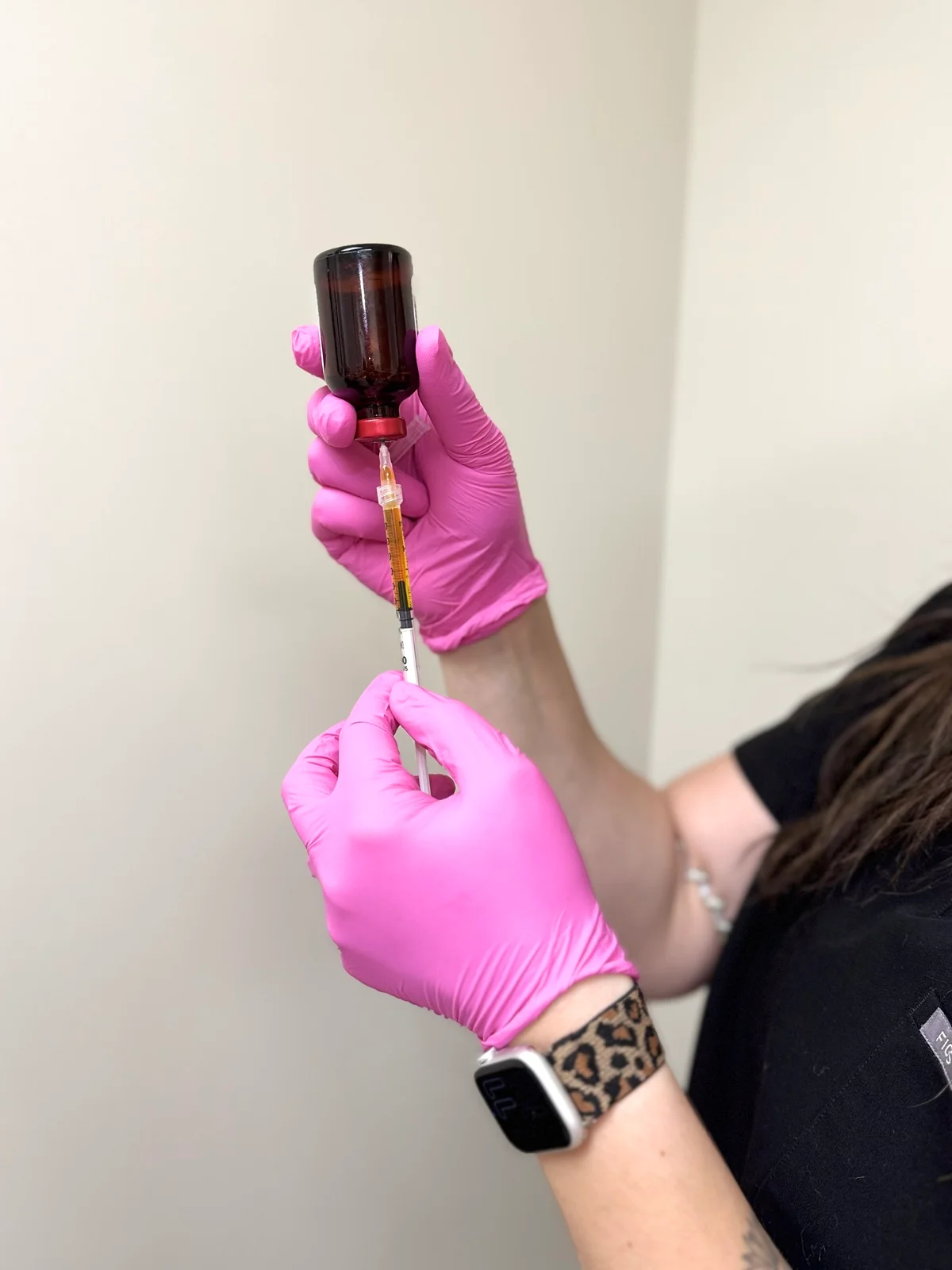
Let’s define the terms the way most consumers encounter them. B12 (often cobalamin) is a vitamin involved in red blood cell formation and neurologic function. Deficiency can affect energy, mood, and overall wellbeing. MIC is often used as shorthand for a compounded injection that may include multiple ingredients such as amino acids and other micronutrients, depending on the clinic and formula. Because “MIC” labeling can vary by provider, it’s important to treat it like a specific recipe, not one universal product.
So, who might it fit best? In a consumer-review sense, MIC & B12 injections tend to make the most sense for people who:
- Have dietary patterns that may put them at risk of low B12 (for example, low animal product intake, restricted diets, or certain GI issues).
- Feel persistently low energy and want to rule out micronutrient gaps before assuming it’s “just age.”
- Want a structured routine (weekly injections) that supports habit change rather than replacing it.
- Are willing to track results (weight, waist, energy, adherence) rather than relying on vibes.
Who it might not fit best: men who want a guaranteed scale drop without changing calories, protein, sleep, or alcohol. For them, injections may feel like money spent while nothing else changes.
Practical Benefits and Where It Falls Short
Here’s what I’ve seen in real-world, consumer terms: the perceived benefit often shows up as capacity—more willingness to move, fewer “dragging” days, or better adherence—rather than a direct, measurable fat-burning effect.
Positive case (personal experience): About a year ago, I tried a MIC & B12 injection plan for weight support. I picked it because I was already doing the basics (walking most days and lifting 2–3 times/week) but my diet had drifted: I was low on protein and inconsistent with meals during work travel. I also suspected I might be low in B12 because I have stomach-related history and I’d been relying on quick lunches. I did weekly injections for around 4–6 weeks, roughly following the clinic’s schedule, and I tracked food and steps more tightly during the same period. My first noticeable change wasn’t “overnight fat loss.” It was fewer low-energy afternoons and better consistency with workouts. Over the next 8–10 weeks, the scale moved gradually (think “steady,” not dramatic) and my waist measurement dropped alongside improved diet adherence. In hindsight, the injection likely helped support the routine, but the results aligned most closely with how disciplined I became with calories and protein.
Negative case (failure pattern): A friend of mine (same age range) went all-in on MIC & B12 injections after seeing promotional before/after pictures. He didn’t change his meal structure much—still high-calorie snacks, occasional late-night eating, and the same low-protein pattern. He also missed follow-up guidance and never got clear about what was inside the “MIC” product he was receiving. After a month, he had injection-site soreness for a few days and felt no meaningful energy shift. Most importantly, his weight didn’t trend down. He expected the injections to do the heavy lifting and didn’t have a measurable plan for whether the intervention was helping. His “failure” wasn’t just lack of results; it was lack of a testable setup.
What Research Suggests and What It Doesn't
Evidence generally supports a cautious interpretation: B12 is essential, but being “well-supplemented” is not the same as producing weight loss on demand. The strongest rationale for B12 is correcting deficiency. If you’re deficient, correcting that can improve energy and related factors—indirectly helping you adhere to diet and exercise. If you’re already adequate, the incremental effect on weight is less likely.
For MIC, the situation is more complicated because formulations differ. When ingredients aren’t standardized across providers, it becomes harder to generalize results. Consumers often see claims about “metabolism” and “body composition,” but those claims may be based on marketing, small studies, or extrapolation rather than robust, direct trials for MIC & B12 injections specifically for fat loss.
Limitations to keep in mind:
- Weight changes are influenced by calorie intake, protein adequacy, sleep, stress, and activity—usually more than micronutrient injections.
- Many consumer reports are confounded by simultaneous behavior change (diet tracking, more walking, reduced alcohol).
- Not every injection plan has medical monitoring, and not every “MIC” includes the same components.
- Even when someone loses weight, it’s hard to prove the injections were the primary cause.
Risk perspective: injections can cause side effects (especially soreness, headaches, or skin reactions). More importantly, if you’re using injections to bypass medical evaluation—especially for anemia symptoms, nerve symptoms, or unexplained fatigue—you could miss an underlying issue. For the question Weight Loss: Do MIC & B12 Injections Really Work?, the most accurate answer is: they can help some people, but the “mechanism” is usually supportive, not miraculous.
Ingredients, Formats, and Quality Signals
When you evaluate MIC & B12 injections, focus on the specifics you can verify. “B12 shot” isn’t enough. Ask about:
- B12 form: Is it cyanocobalamin, methylcobalamin, or another variant? Different clinics emphasize different forms.
- Dose: How many micrograms or milligrams per injection?
- MIC composition: What’s in it, in what quantities, and what schedule is recommended?
- Storage and handling: How is it stored and administered (sterile technique, expiration tracking)?
- Documentation: Do they provide written product information and a plan for reassessment?
Common formats you’ll see:
- Single-ingredient B12 injection (in-office or clinic-administered)
- Combo “MIC” injection blends (clinic-defined recipe)
- Occasionally, “B12+” bundles that include other supplements (again, formulation varies)
Quality standards and signals (consumer-friendly checklist):
- Clear ingredient list and measurable dosing (not just “vitamin blend”)
- Reputable clinic processes (sterile supplies, documented care plan)
- Willingness to discuss side effects and stop criteria
- Appropriate intake screening (medications, medical history, possible contraindications)
- Follow-up timeframe with decision points (e.g., reassess after 4–8 weeks)
Comparison of Common Options
| Format | Typical Dose/Use | Pros | Cons | Cost | Best For |
|---|---|---|---|---|---|
| B12 injection (single) | Commonly weekly to monthly; dose varies by clinic | Clear ingredient; easier to track response | May not address other micronutrient gaps | Moderate (often per-visit) | Men who suspect deficiency or want a simple baseline |
| MIC blend injection | Typically weekly during a “starter” period; schedule varies | More ingredients in one shot; sometimes includes amino acids | Formulas vary; harder to know what helped | Higher than single B12 | Men who want a clinic-defined multi-ingredient approach |
| B12+ combo (B12 with other supplements) | Often weekly or as part of a package | May target multiple “energy” and nutrition gaps | Could include unnecessary extras; cost can add up | Package pricing | Men addressing multiple symptoms alongside weight goals |
| Oral B12 (tablet/sublingual) | Daily or a few times weekly; dose varies | No needles; easy to stop; lower ongoing cost | Less convenient for some; absorption can be an issue | Low to moderate | Men who prefer non-injection supplementation |
| Lifestyle-first (no injections) + labs | Nutrition and activity changes; periodic testing | Targets root causes; lowest “trial and error” cost | Slower to notice changes; may feel less “direct” | Variable (food, coaching, labs) | Men who want evidence-led weight loss with minimal add-ons |
Buying Framework and Red Flags
If you’re considering MIC & B12 injections for weight support, treat it like a 4–8 week experiment with a written plan. Here’s a checklist you can use before paying.
- Ingredients clarity: Do they list what’s in MIC and the B12 dose in measurable units?
- Medical screening: Will they ask about anemia history, neurologic symptoms, medications, and GI issues?
- Monitoring plan: Is there a follow-up after a defined period (not “keep coming forever”)?
- Side effects discussion: Do they mention injection-site reactions and how to handle them?
- Realistic expectation: Do they avoid promising guaranteed weight loss? (Red flag if they do.)
- Pricing transparency: Do they quote total cost for a starter block and clearly state what’s included?
- Storage/handling: Do they follow sterile protocols and provide product information?
- Personal fit: Do they recommend labs if appropriate (especially if you’re symptomatic or unsure about deficiency)?

Common Mistakes and How to Avoid Them
- Choosing based on testimonials only: A scale change might be from diet tracking or training, not the injection.
- No measurement: If you don’t track weight trends, waist, and adherence, you can’t tell whether MIC & B12 injections are helping.
- Changing nothing else: If your calories and protein stay the same, you’ll likely blame the injection for results that didn’t have a chance.
- Long trial without a stop rule: If there’s no improvement in energy, appetite, or weight trend after a reasonable window, reassess.
- Ignoring side effects: Persistent headaches, worsening skin reactions, or concerning symptoms should be discussed promptly.
- Assuming “more is better”: Dosing varies; higher doesn’t automatically mean better, especially without monitoring.
FAQ
Is it proven that MIC & B12 injections work for weight loss?
The strongest support for B12 involves correcting deficiency. For weight loss, evidence is more limited and indirect; any effect is often tied to improved energy or improved adherence to diet and exercise rather than a guaranteed fat-loss mechanism.
How long does it take to see results from MIC & B12 injections for weight loss?
A reasonable consumer timeframe is often 4–8 weeks to evaluate trends, especially if you’re also tracking calories and activity. Rapid “day-one” fat loss is unlikely; the more realistic changes are gradual weight trend or improved energy that supports sticking to a deficit.
What side effects should I watch for with B12 injections or MIC blends?
Common issues are injection-site soreness, headaches, nausea, or skin reactions. If you have significant or worsening symptoms, stop and seek medical guidance. Also, if you’re dealing with anemia symptoms or neurologic complaints, getting appropriate evaluation matters more than trial injections.
Can I combine MIC & B12 injections with a calorie deficit and workout plan?
In many cases, people combine injections with diet and exercise. The safest approach is to coordinate with a clinician, disclose your full supplement and medication list, and use a structured tracking plan so you can tell what’s helping.
Oral vs injection: which is better for weight loss when using B12?
If the issue is true deficiency, either oral or injection routes may work depending on absorption and individual factors. Injections may be preferred for convenience or suspected absorption problems, while oral is often simpler and lower cost. The best choice depends on your medical situation and how your levels respond.
A Practical 2-Week Experiment Framework
If you want an evidence-style “test” without jumping into a long commitment, try a 2-week setup that makes MIC & B12 injections easier to evaluate. The goal isn’t to expect dramatic fat loss in 14 days—it’s to see whether the plan improves adherence, energy, or appetite in a measurable way.
Day 1–2: Baseline
- Record: morning energy (0–10), sleep hours, average steps, and weight trend (morning weights).
- Record diet baseline: approximate daily calories and protein (even estimates are fine).
- Set a simple target: maintain calories at a modest deficit and hit a consistent protein number.
Day 3–14: Consistency + simple metrics
- Keep your diet the same (in the good way): protein each meal, fewer late snacks, consistent meal timing.
- Keep activity steady: a walking baseline and your usual lifting schedule.
- If you start injections, follow the clinic schedule and record any side effects (time of day, intensity, duration).
- Track: appetite changes, training quality, headaches/injection soreness, and any sleep changes.
End of week 2: Decision point
- If there’s improved appetite control or energy and no concerning side effects, you can consider continuing into a longer trial with a stop rule.
- If there’s no functional change (and no weight trend) and the plan costs a lot, pause and reassess before paying for additional sessions.
About the Author
Name: Jordan Mercer
Background: Jordan Mercer is a health-and-fitness consumer reviewer based in Chicago, with a decade of experience reviewing weight management routines, supplement “stacks,” and clinic services through an evidence-first, no-hype lens. Their writing focuses on practical outcomes like repeatability, side effects, and realistic timelines rather than dramatic before/after claims.
Review experience: Jordan has completed and compared multiple clinic-administered protocols and tracked outcomes for energy, adherence, and weight trends over 4–12 week blocks, including a MIC & B12 injection trial paired with diet and training changes.
Disclaimer: This article is for informational purposes and reflects consumer-style observations. It does not provide medical advice, and it can’t replace evaluation by a qualified healthcare professional—especially if you suspect deficiency, anemia, or have neurologic symptoms.
Discussion